
















Heating and Cooling Efficiency TipsHeating information - Simple ways to make your system run more efficientlyPay attention to the thermostat. Keeping the temperature a few degrees cooler can lower your heating bill and you can still be comfortable. It's a matter of personal preference but setting your thermostat to 68°F can help you save energy. Consider installing a programmable thermostat to set the thermostat back automatically at night and while you're away from home during the day. Seal heating ducts and insulate ducts that run through unheated spaces. Check forced-air furnace filters regularly and clean or replace them as often as once each month during the heating season. Shake reusable filters outside or spray them with a garden hose. Be sure they're dry before replacing. Drapes can add an extra layer of insulation. Blinds also can insulate, but they aren't as effective. Keep your drapes closed at night and on sunny days, open up the drapes and blinds to let in the sun's free heat, especially on the south side. Don't block registers, baseboards, radiators or cold air returns. Air must circulate through and around them for maximum efficiency. If you are installing a new system, consider shopping for a heat pump to increase energy efficiency. Look for the Energy Guide label that contains the SEER (Seasonal Energy Efficiency Ratio), which measures efficiency during the cooling season. Also look at the HSPF (Heating Seasonal Performance Factor) which measures energy-efficiency during the heating season. Look for 7.2 HSPF and 12 SEER or higher. Cooling tips - Beat the summer heat and keep energy costs downKeep your thermostat at 78°F or higher if you're still comfortable. The higher you set the thermostat, the less it will operate unnecessarily. Keep air conditioner filters clean. They should be cleaned or replaced once a month during the season. If you can do so safely, clean the exposed grill and spines on the outside unit. Don't block window air conditioners. Make sure no objects are leaning on, or directly in the path of the air flowing in or out. Use a programmable thermostat. You only need your air conditioner or furnace to run when you're home. Set timers to come on no more than 30 minutes before you're scheduled to arrive home. If you are home during the day, try to reduce the use of heat-producing appliances such as the oven, range, dishwasher, washing machine and dryer. Don't place lamps or televisions near your air conditioning thermostat. The thermostat senses heat from these appliances, and this may cause it to run longer than necessary. Make sure your home has the appropriate amount of insulation in walls, attics and crawl spaces. Insulation is just as important in the summer as it is during the winter since it helps keep warm air outside. Seal and insulate air-conditioning ducts that run through unconditioned spaces. Plant deciduous trees to shade your home's walls, windows and roof in the summer. Install a ceiling fan to circulate air above the area where you spend most of your time. You'll feel just as cool under a ceiling fan when it's 82°F. Run exhaust fans when you shower or cook to vent warm air. Run exhaust fans when you shower or cook to vent warm air. Professional inspections and system tune-ups: having a professional inspect and tune up your heating and central air system can help save on operating costs and extend the equipment-life of your system. A check-up is recommended every year for heat pumps and every five years for other systems. Home Energy Analysis
Home Energy Yardstick |
Important Energy Saving Information
Energy Efficiency Radiant Floors
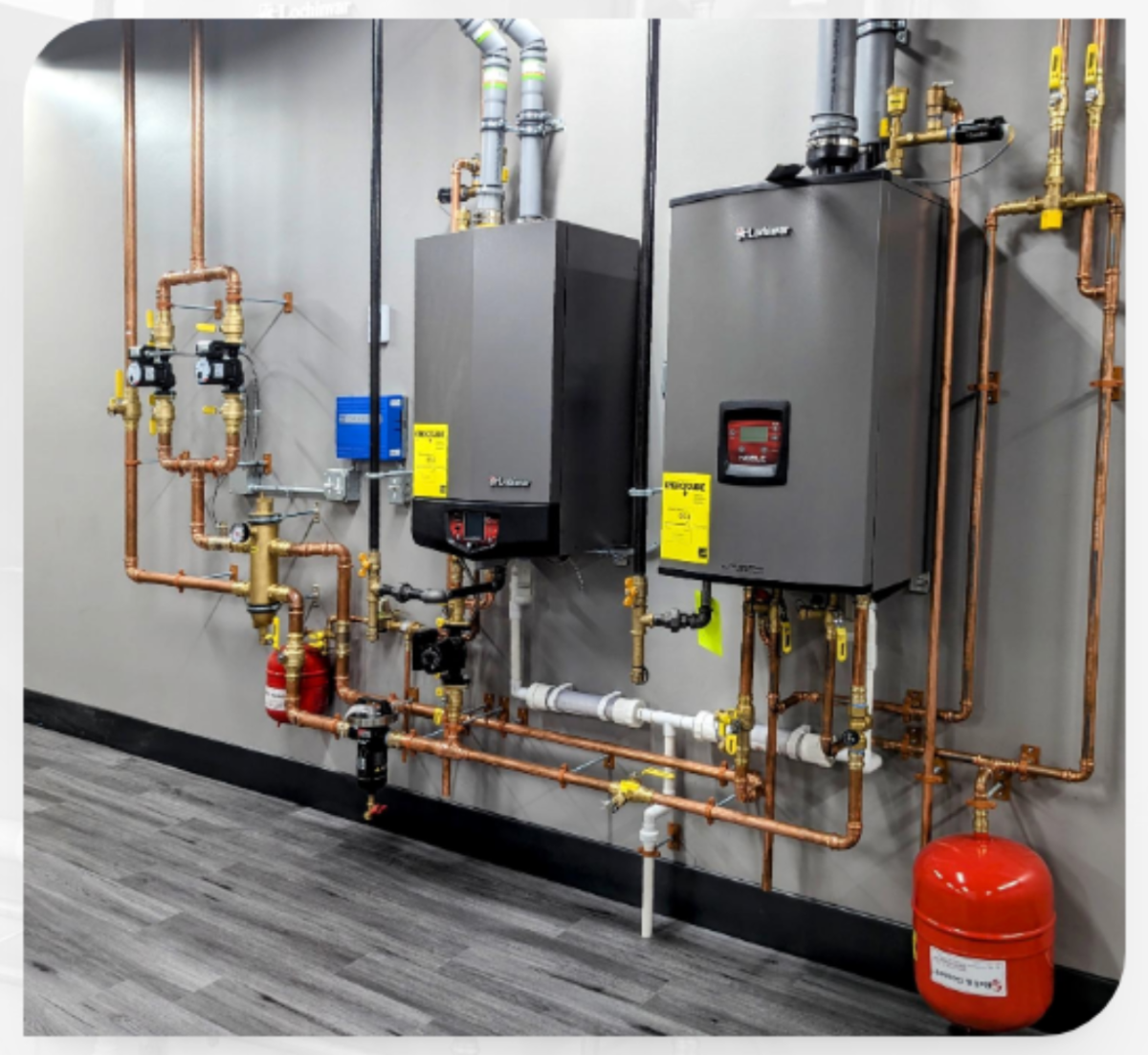
Radiant Flooring cuts energy requirement by as much as 30% - besides providing a more comfortable environment, for you and your family, radiant heating is more energy efficient than traditional forced air heating systems. For most homes, energy requirements range from 10 – 30% less than with forced air systems. Boiler Upgrades
The KNIGHT Heating Boiler has earned a 93% DOE AFUE rating, well above ENERGY STAR requirements. Built to commercial-grade standards, and armed with a 12-year limited warranty, this boiler is ready for battle. |