






Energy Efficiency ProgramsSavings, Tax Credits, and Rebates for Energy Efficiency ImprovementsThere are a number of federal energy efficiency programs, state programs, and offers by utility companies and appliance manufacturers to help you save both energy and money. Buy energy efficient, and you may be eligible for rebates, sales tax exemptions, and income tax credits. Federal Income Tax Credits For Energy EfficiencyThe Energy Policy Act of 2005 provides tax credits for consumers, home builders, appliance manufacturers, and commercial buildings. For consumers, tax credits are available for energy efficient home improvements, fuel efficient cars, solar energy systems, and fuel cell systems. These are not deductions but tax credits, meaning that they apply to the amount of tax owed instead of the amount of income being taxed. See the Energy Star Tax Credits page for full details. Also a search of the IRS website for Energy Efficiency Tax Credits. State Energy Efficiency PoliciesMany states have enacted temporary sales tax holidays for energy efficient products. There are also a variety of other grants, loans, and state tax exemptions related to energy efficient home improvements, buildings, vehicles, and research. See the Alliance to Save Energy's State Energy Efficiency Policy page or the Database of State Incentives for Renewables and Efficiency for more details on a state-by-state basis. Rebates for Energy Efficient AppliancesAppliance manufacturers and utility companies offer cash rebates for purchase of qualified energy-efficient appliances including washing machines, dishwashers, air conditioners, and heating systems such as Knight heating boilers See Energy Star's Special Offer and Rebate Locator. Also check with your local power company. Appliance Recycling Incentives for Energy EfficiencyAlthough newer appliances use 50 to 70% less energy than old models and are much cheaper in the long run, old appliances often remain in use as long as they are functioning. To encourage people to replace their old, inefficient appliances, many utility companies are offering cash incentives to recycle old refrigerators, freezers, and air conditioners. Find out how much you could save with a new Energy Star refrigerator using the Refrigerator Retirement Savings Calculator. See Alliant Energy's Appliance Recycling page for details on how to get cash for your old inefficient refrigerators, freezers, and air conditioners. Also see the American Public Power Association's Energy Efficiency Programs for rebate and recycling incentives in other locations. Energy Efficiency AuditsTo get the most out of your energy efficient home improvements, first determine where your home is losing the most energy (and costing you the most money) by performing a do it yourself energy efficiency audit or hiring a professional. The audit will help you determine the most effective home energy efficiency improvements you can make. Simple measures, such as finding drafts and sealing leaks, can often save as much as 30% of yearly energy. Try the Department of Energy's Do It Yourself Home Improvement Energy Efficiency Audit or see the EERE's Home Energy Audits page. |
Important Energy Saving Information
Energy Efficiency Radiant Floors
Radiant Flooring cuts energy requirement by as much as 30% - besides providing a more comfortable environment, for you and your family, radiant heating is more energy efficient than traditional forced air heating systems. For most homes, energy requirements range from 10 – 30% less than with forced air systems. Boiler Upgrades
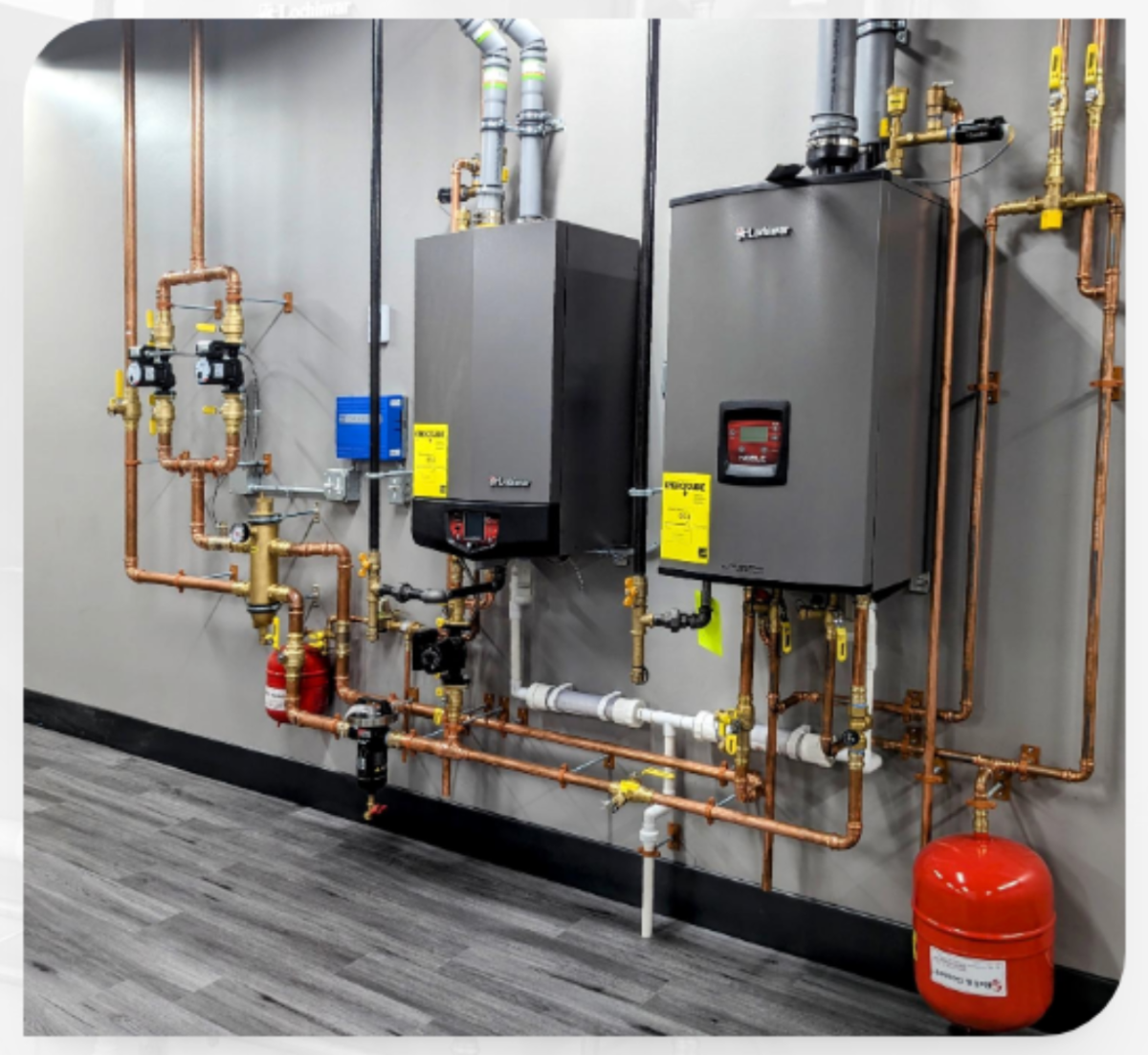
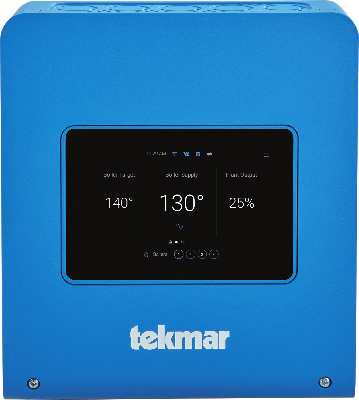
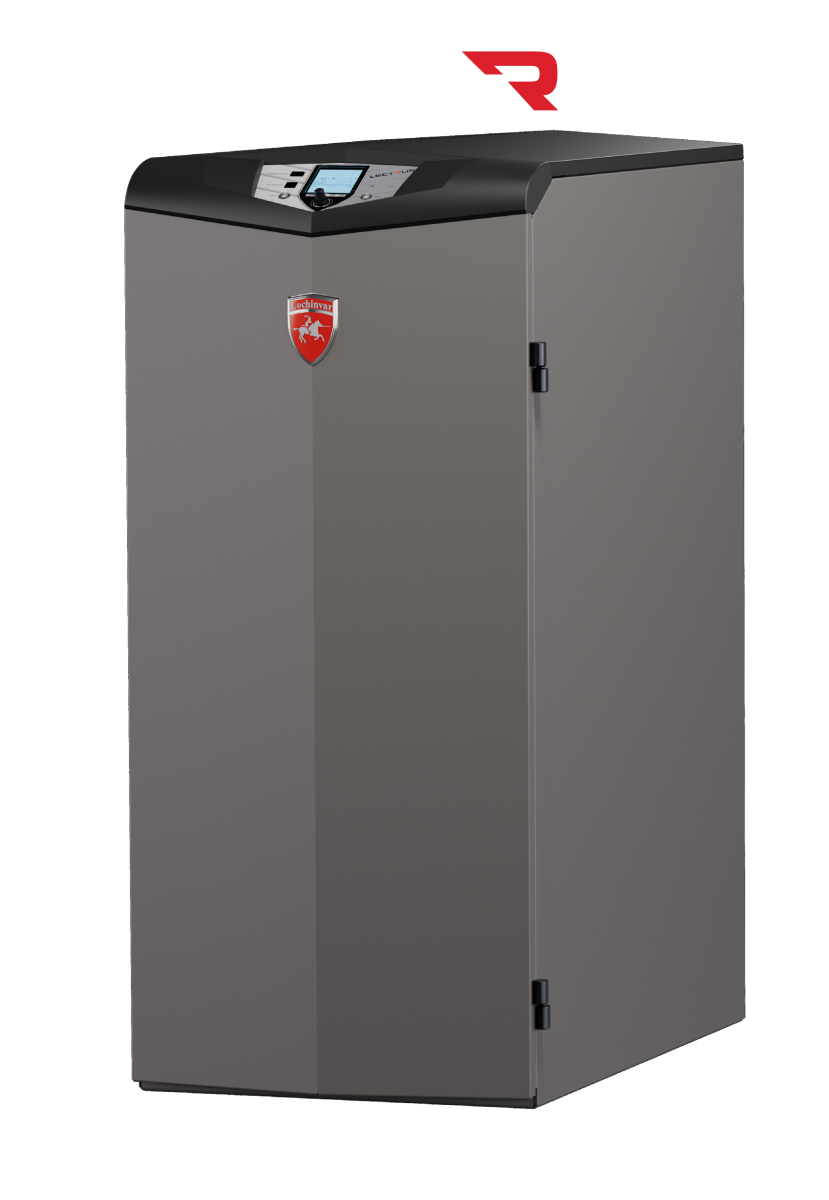
The KNIGHT Heating Boiler has earned a 93% DOE AFUE rating, well above ENERGY STAR requirements. Built to commercial-grade standards, and armed with a 12-year limited warranty, this boiler is ready for battle. |